



Automatic Honeycomb Paper Roll Production from Start to Finish
2026-10-06 20:16Automatic honeycomb paper roll production brings several converting operations into one coordinated workflow. For a packaging converter, understanding that workflow helps turn a machine specification into a practical production plan.
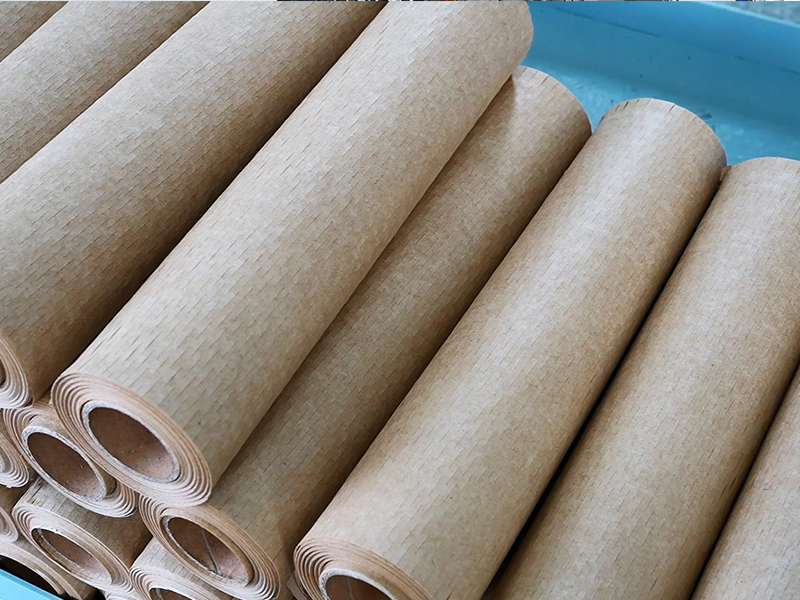
The finished material is paper with a patterned series of cuts. It is wound into rolls and expanded into an open cellular structure during wrapping. This process concerns expandable wrapping paper; it does not manufacture rigid honeycomb core panels. The production goal is a roll that unwinds smoothly, expands consistently, and meets the customer’s agreed format.
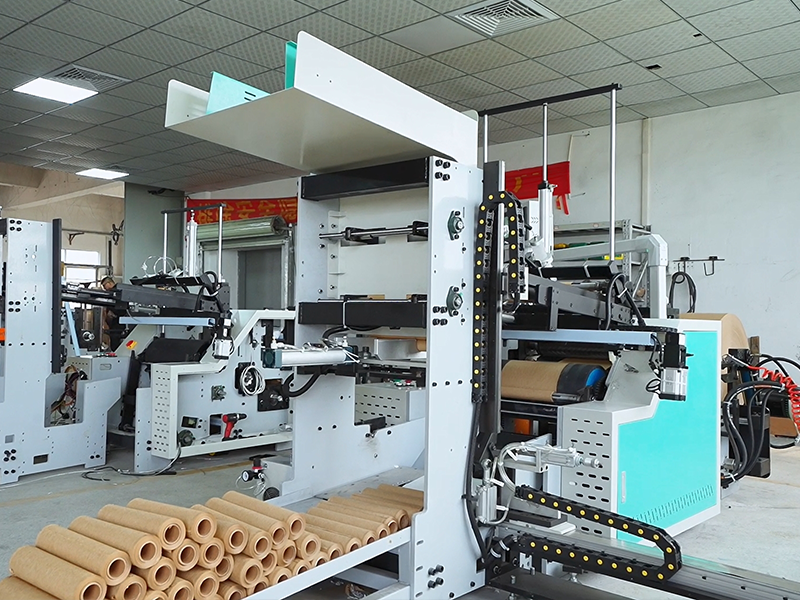
1. Prepare the paper and production job
Production begins with the paper specification. Confirm the grade, basis weight, reel width, core size, and incoming reel dimensions against the agreed machine configuration. Keep the reel’s identification with the production record so a finished roll can be traced to its material batch.
Inspect incoming paper for damaged edges, loose winding, or visible defects before loading. When introducing a new grade, qualify it through a trial instead of carrying over settings from another paper. Material selection affects cutting and expansion, so a successful trial should include both flat and expanded samples.
The job record should also define finished roll length, core format, labeling, and the quality limits agreed with the buyer.
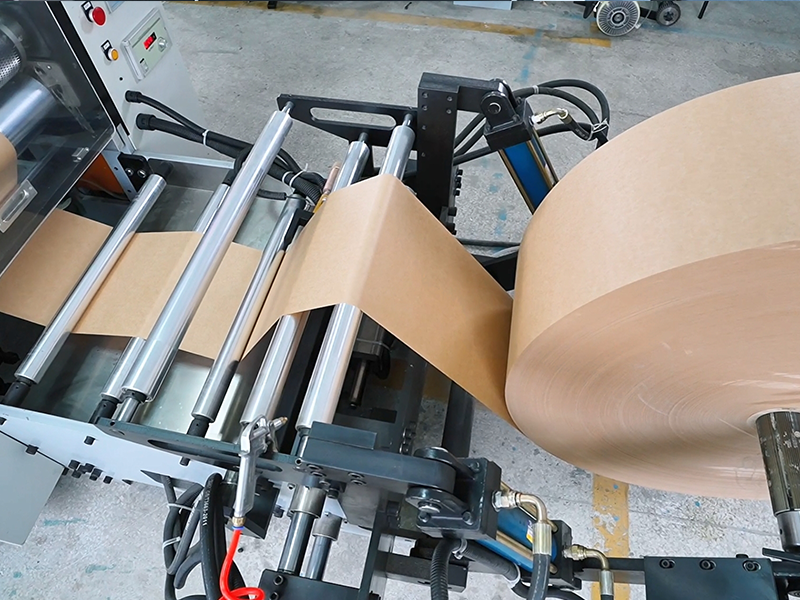
2. Load, align, and establish a stable feed
FoundPak’s fully automatic honeycomb paper making machine lists hydraulic feeding and automatic deviation correction. Its effective unwind width is 540 mm, while its effective die-cutting width is 550 mm. These figures describe different parts of the machine and should not be treated as interchangeable finished-roll widths.
After loading, confirm that the web follows the intended path and enters the cutting section correctly. Alignment and paper tension need attention during startup and after a reel change. Automatic correction supports web positioning, but operators still need to recognize damaged paper, incorrect threading, or settings that produce an unstable feed.
Establish the agreed setup at a controlled speed before increasing production speed.
3. Cut the pattern and verify expansion
The cutting stage creates the pattern that allows the paper to open when pulled. Consistency matters across the full working width and throughout the run. Inspect startup samples for incomplete cuts, unintended tears, irregular patterns, and edge damage.
An inspection of flat paper is only part of the check. Expand a sample using the customer’s intended dispensing or wrapping method. Observe whether the cells open evenly and whether the paper can be handled comfortably. Keep the method consistent so samples from different runs can be compared.
FoundPak lists a running speed range of 5–280 m/min for this model. Choose an operating speed through material trials and quality checks; the upper listed speed does not establish acceptable output for every paper.
4. Rewind and handle the finished rolls
The model’s published configuration includes roller friction winding and automatic handling of cores, inflatable shafts, and finished products. Confirm the detailed operating sequence and supported roll formats for the configuration being ordered.
Rewinding turns the cut web into the format the packaging user will receive. Monitor alignment, winding firmness, and edge condition during the trial. A roll that looks acceptable externally should also be checked for smooth unwinding and consistent expansion at different points along its length.
Check finished roll dimensions against the job record. Confirm how roll length is measured and how settings are managed when changing formats. Product identification should remain clear after the roll leaves the machine.
5. Keep quality control active throughout the run
Automation coordinates repeated tasks, while the production team maintains the process. Define when samples will be taken, where results will be recorded, and what conditions require a stop or adjustment. Include checks after startup, material changes, and planned restarts.
Retain representative samples with the operating settings and paper batch details. If a defect appears later, these records help distinguish a material issue from a setup or tooling issue.
For production planning, record acceptable finished output separately from machine running speed. Also record rejected material and time spent changing reels or roll formats. Together, those figures describe the workflow more usefully than speed alone.
Plan a trial around your product
A productive machine trial follows the same path as an ordinary job: incoming paper, stable feeding, consistent cutting, controlled rewinding, and finished-roll inspection. Agree on the material, roll format, trial duration, and acceptance criteria before the demonstration.
Explore FoundPak’s fully automatic honeycomb paper making machine, or contact us with your paper specification and target roll format to discuss the production workflow for your project.