


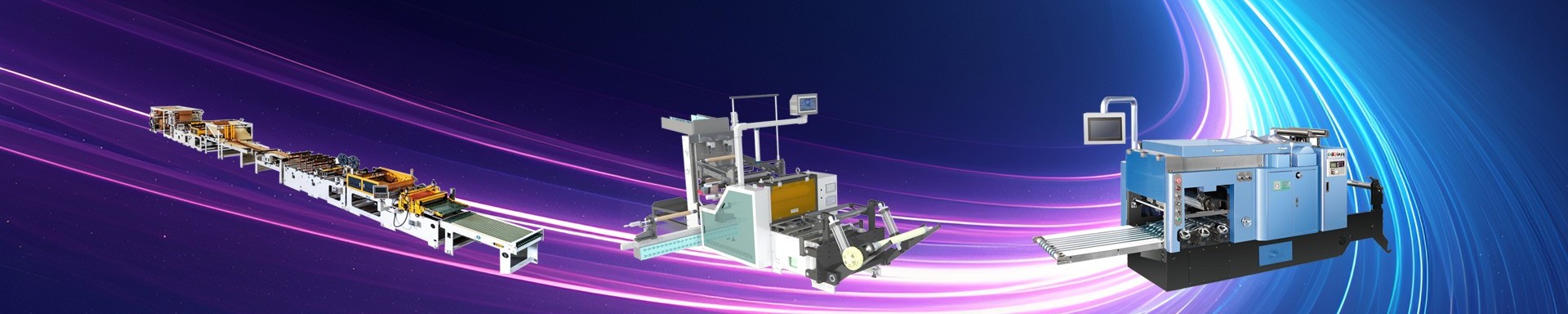
380 mm Fanfold Paper Machine: Punching and Cutting Trials
2026-11-10 14:19A factory trial of a fanfold paper machine should answer a specific question: can the quoted configuration carry out the buyer’s agreed converting job? Watching paper emerge from the machine is useful, but the purchase discussion also needs clear checks for each required operation.
Our 380mm Fanfold paper Z fold paper folding machine provides a concrete starting point. A buyer can use its published process description to prepare a punching and cutting trial, then agree the test conditions, sample identification and acceptance criteria with the supplier.
Define the machine sequence to be demonstrated
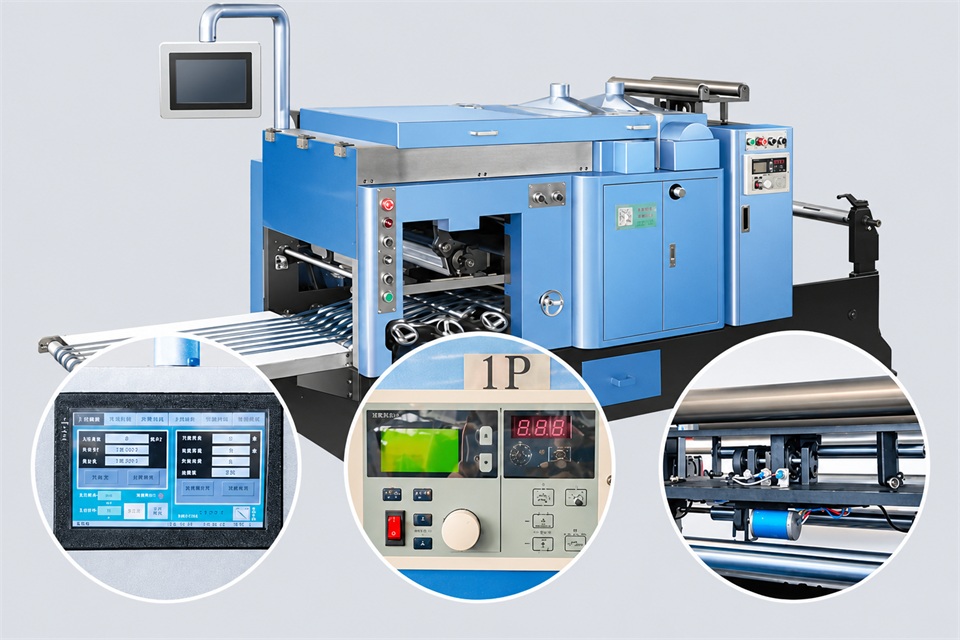
The 380 mm machine listing describes automatic punching, cutting and folding, with the processed paper stacked for collection. The equipment converts paper into folded feedstock for subsequent use; downstream paper cushioning machinery has a separate role.
Ask FOUNDPAK to explain how each required operation is implemented in the proposed configuration. In particular, establish what the quotation means by punching, perforating and cutting. Those terms should refer to agreed features on the job drawing, rather than being treated as interchangeable descriptions.
Request a demonstration of the complete quoted sequence. If a required operation uses an option or different tooling, have that item identified in the equipment offer before the trial.
Prepare a job sheet for the demonstration
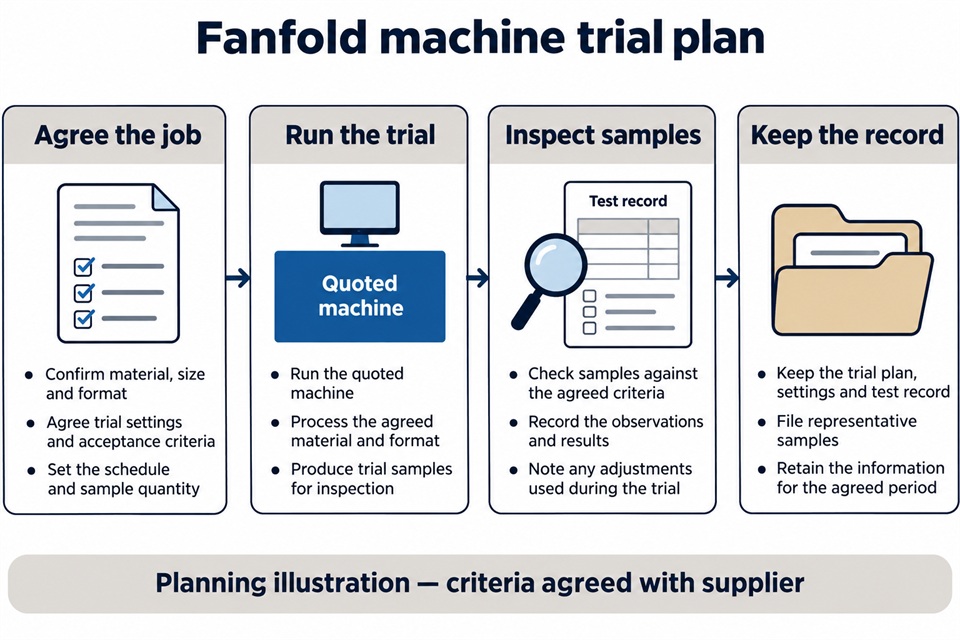
Record the proposed input width, paper specification, roll dimensions and required output on one job sheet. Assign a revision number so that the supplier and buyer review the same requirements.
For this specific listing, the published input entries are:
| Parameter | Website entry |
|---|---|
| Maximum unwind width | 500 mm |
| Maximum unwind diameter | 1,000 mm |
| Paper grammage | 40–150 g/m² |
Source: official 380 mm product specification. The product name and the maximum unwind entry describe different items; neither should be substituted for an approved finished-format drawing.
Ask the supplier to confirm the proposed trial job against the actual machine configuration. Where several input grades are planned, identify which will be demonstrated and which still require assessment. Do not let one successful sample stand in for an untested production programme.
Give punching and cutting separate acceptance criteria
For the punching requirement, ask the supplier to mark the intended feature, position and repeat direction on the drawing. Agree what will be measured and how the samples will be compared with the drawing. If the requirement is a tear line, specify that intended function and request confirmation of the tooling proposed to produce it.
For cutting, define the required separation point and the dimensions to be inspected after the converting sequence. Agree the method and acceptable variation with the supplier. There is no need to invent a universal tolerance for jobs with different purposes.
Keep these criteria in the trial document. They are proposed buyer requirements, not additional machine capabilities established by the webpage.
Observe the run and inspect identified samples
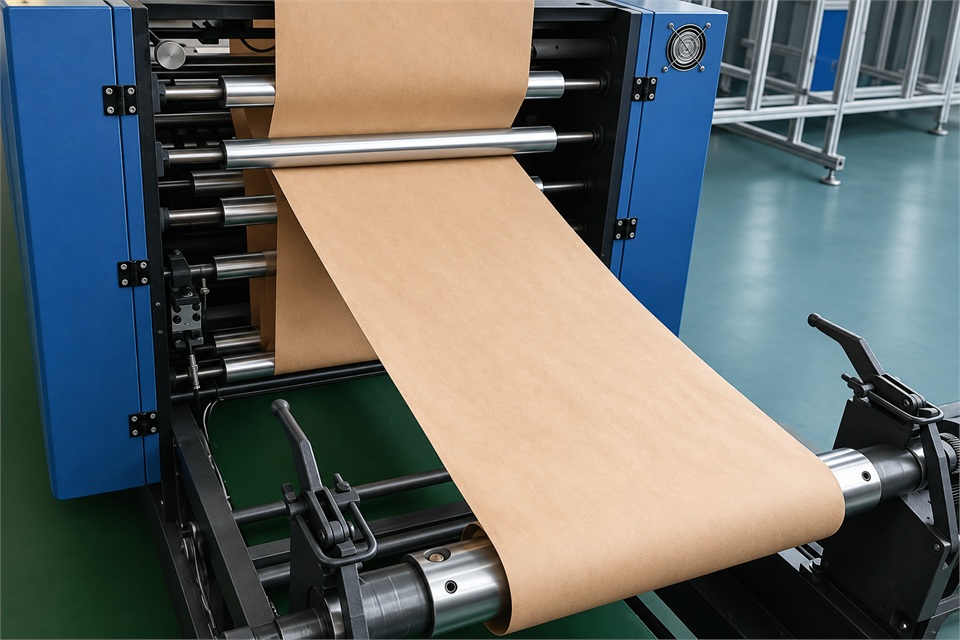
Have the supplier identify the setup used for the demonstration and explain which operator actions belong to its approved procedure. Record the demonstrated job and operating conditions alongside the sample results.
Agree when samples will be taken during the run. Keep samples from the agreed observation points separately identified, so that measurements can be traced to the relevant conditions. A video can support the record, but the sample drawing and inspection results provide information that a general machine video may not show.
Include collection in the review. Ask how the demonstrated output is presented for removal and which collection arrangement is included in the quotation. If later equipment will receive the folded output, define that interface as a separate confirmation item.
Keep the trial record tied to the quoted configuration
Retain the job-sheet revision, identified samples, measurements and supplier comments together. Record any unresolved requirement and the proposed action before acceptance is agreed.
For converters supplying several customers, this approach creates a clear equipment discussion around the actual punching and cutting jobs they expect to run. It also separates an observed demonstration from a broader performance commitment.
Contact us with your proposed job drawing and trial requirements. Request a 380 mm fanfold paper machine proposal that identifies the punching and cutting scope, applicable tooling, collection arrangement and agreed acceptance demonstration.