



How Fanfold Kraft Paper Is Made for Void Fill Systems
2026-10-07 11:21The paper used at a packing station often begins as a large roll in a converting factory. Fanfold production turns that roll into an organized stack of alternating folds, ready for a subsequent feeding operation. Understanding this journey helps packaging converters define the product they will supply and the conditions under which it must perform.
Fanfold kraft paper is feedstock for a downstream process. The folding line prepares the paper's format; a separate cushioning or void fill system forms the material used inside a shipping carton. Paper supply quality and finished packaging performance therefore belong to connected stages of production.
From the incoming roll to a moving paper web
Production starts with a roll that matches the agreed paper grade and finished-product specification. Before loading, the converter can check roll dimensions, visible edge condition, and identification against the production order. These checks establish which material is entering the batch and help keep different paper grades separate.
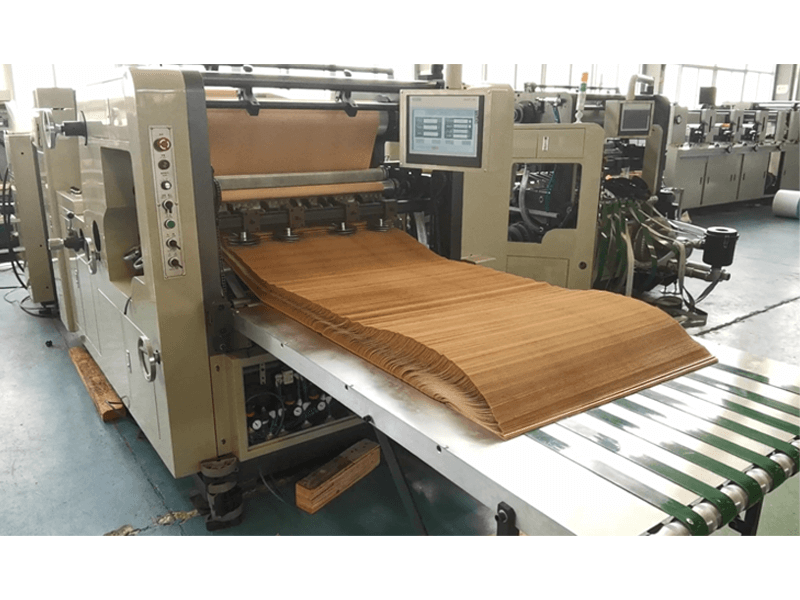
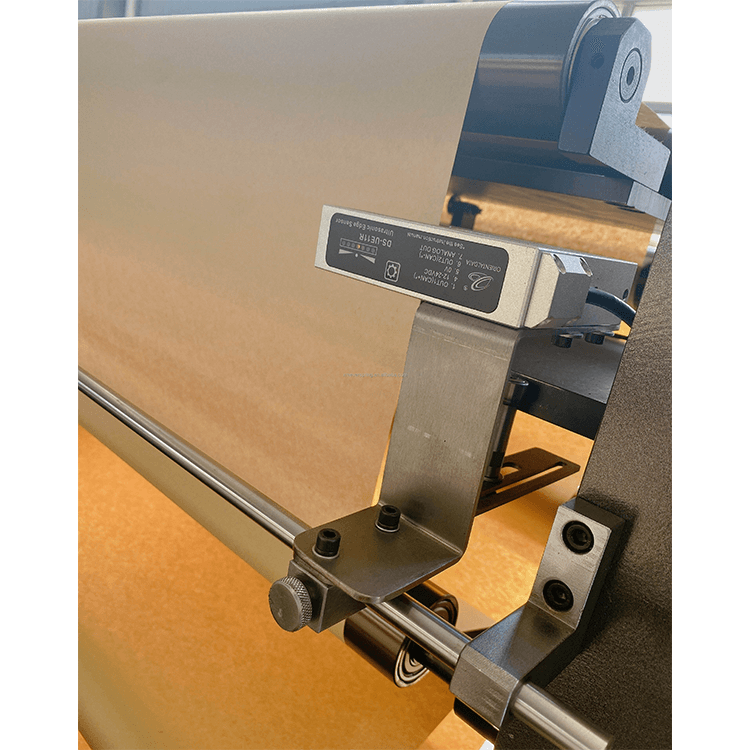
The roll is mounted for unwinding, and the paper is threaded through the converting path. At this stage, the objective is a steady moving web that reaches the following operations in a controlled condition. The setup should suit the actual paper being processed. A sample run gives operators an opportunity to observe web tracking and confirm that handling does not introduce creases or damage.
For production planning, our 780mm fanfold kraft paper folding machine lists a maximum unwind width of 780 mm, roll diameter of 1,200 mm, and roll weight of 600 kg. The machine automatically punches, cuts, and folds paper into stacks. Published specifications also include automatic hydraulic loading, an 8–15 inch fold size, and a running range of 5–300 m/min. That range describes machine running speed; accepted output depends on the paper, format, operating conditions, and production interruptions.
Defining punching perforation and cutting
The product specification determines which paper features are required before or during folding. Punching or perforation creates specified openings or lines in the web, where included in the agreed configuration. Position, spacing, and the condition of these features should be checked against an approved sample.
Cutting establishes the required dimensions or separation points. The cutting layout should be agreed with the equipment supplier, together with the operations the proposed configuration performs. This keeps the production setup tied to the ordered paper product.
These details matter because the downstream process receives the result of every upstream operation. A clean-looking stack alone cannot establish whether its paper features meet the next machine's feeding requirements.
Creating the alternating Z folds
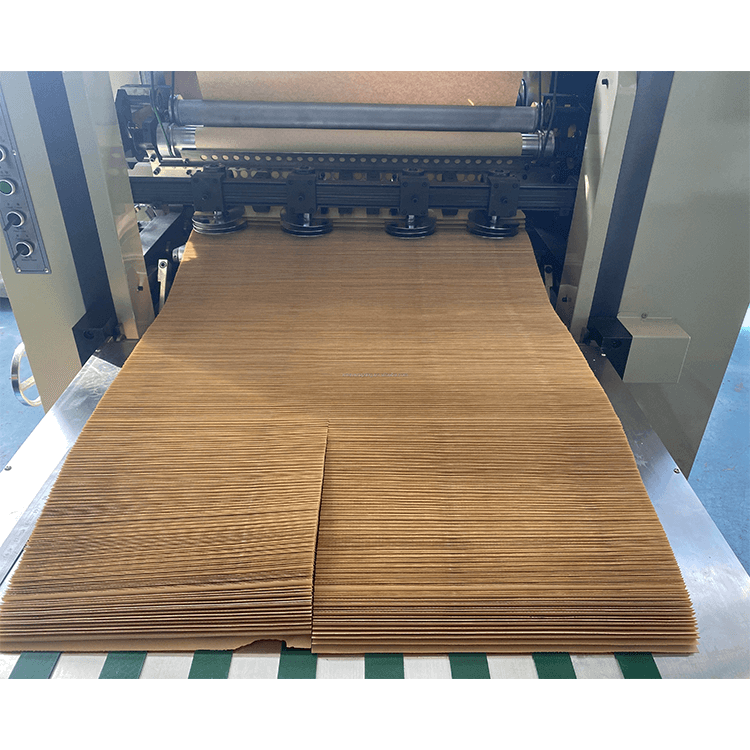
In fanfold production, the sheet is folded in alternating directions. Viewed from the side, successive folds form a repeating zigzag or Z pattern. Instead of being rewound, the folded web builds into a stack.
Fold length determines the distance between successive fold lines and contributes to the stack's footprint. It should be specified alongside paper width, bundle quantity, and the handling arrangement at the destination. A production sample makes these dimensions easier to assess than a photograph alone.
Consistency across the stack is a useful quality check. Inspect fold alignment and dimensions at different points in the run, and compare the resulting material with the approved sample. Include paper grades and formats representative of regular orders.
Collecting and preparing the stacked paper
After folding, the paper is collected as stacked output. The converter then needs a defined method for identifying, moving, and packing that material. Stack dimensions and bundle size influence how the finished feedstock is handled between production, storage, and delivery.
Packaging should preserve the arrangement needed when the customer opens the bundle. Batch identification can connect the stack with its paper grade, production order, and inspection record. The leading end should be identifiable where required by the customer's loading procedure.
Connecting fanfold production with the packing station
The final production check is a feeding assessment in the intended downstream process. Agree on the required paper grade, width, fold length, bundle format, and loading method with that equipment supplier or customer.
A representative sample should travel through the customer's normal handling and feeding sequence. Assess finished cushioning separately after the downstream system forms it, using the actual packing application.
We help customers discuss the converting stage around their intended paper product. Explore our 780mm fanfold machine or contact our team with your paper samples, required fold format, and production plans.